


Evaluation & Measurement Platforms
Evaluation boards for precise power measurement, energy debugging, and programmable load control on real battery-powered systems.
Explore the probe →Enables a complete workflow for energy-aware embedded systems.
Capture accurate current and voltage data directly from real battery-powered systems.
Evaluate energy behavior, battery characteristics, and system-level consumption patterns.
Identify bottlenecks and improve efficiency across hardware, firmware, and battery usage.
Apply validated solutions and integrate OpenEPT modules into embedded applications for real-time energy monitoring.
OpenEPT provides a unified hardware and software platform for energy-aware development of battery-powered embedded systems. From evaluation boards and visualization software to embedded monitoring modules and battery analysis workflows, the platform covers the complete path from measurement to optimization.
Evaluation boards for precise power measurement, energy debugging, and programmable load control on real battery-powered systems.
Explore the probe →A unified desktop app for real-time visualization, system inspection, and energy-consumption analysis, from measurement to optimization.
Explore the GUI →Compact modules for direct integration into final products, enabling real-time energy monitoring inside embedded systems.
Explore modules →Beyond the tools, we provide expertise in energy-aware algorithm analysis, battery modeling and SoC/SoH evaluation, and system-level energy optimization.
Work with us →The complete OpenEPT ecosystem, including hardware designs, firmware, and analysis tools, is fully open-source. This enables full transparency, adaptability, and integration into your embedded systems without vendor lock-in.
OpenEPT is developed by an R&D team from the University of Belgrade, School of Electrical Engineering. Our team combines academic research and real-world engineering experience in battery-powered and energy-aware embedded systems.
We adapt OpenEPT tools, firmware, and workflows to match your hardware, measurement requirements, and product constraints.


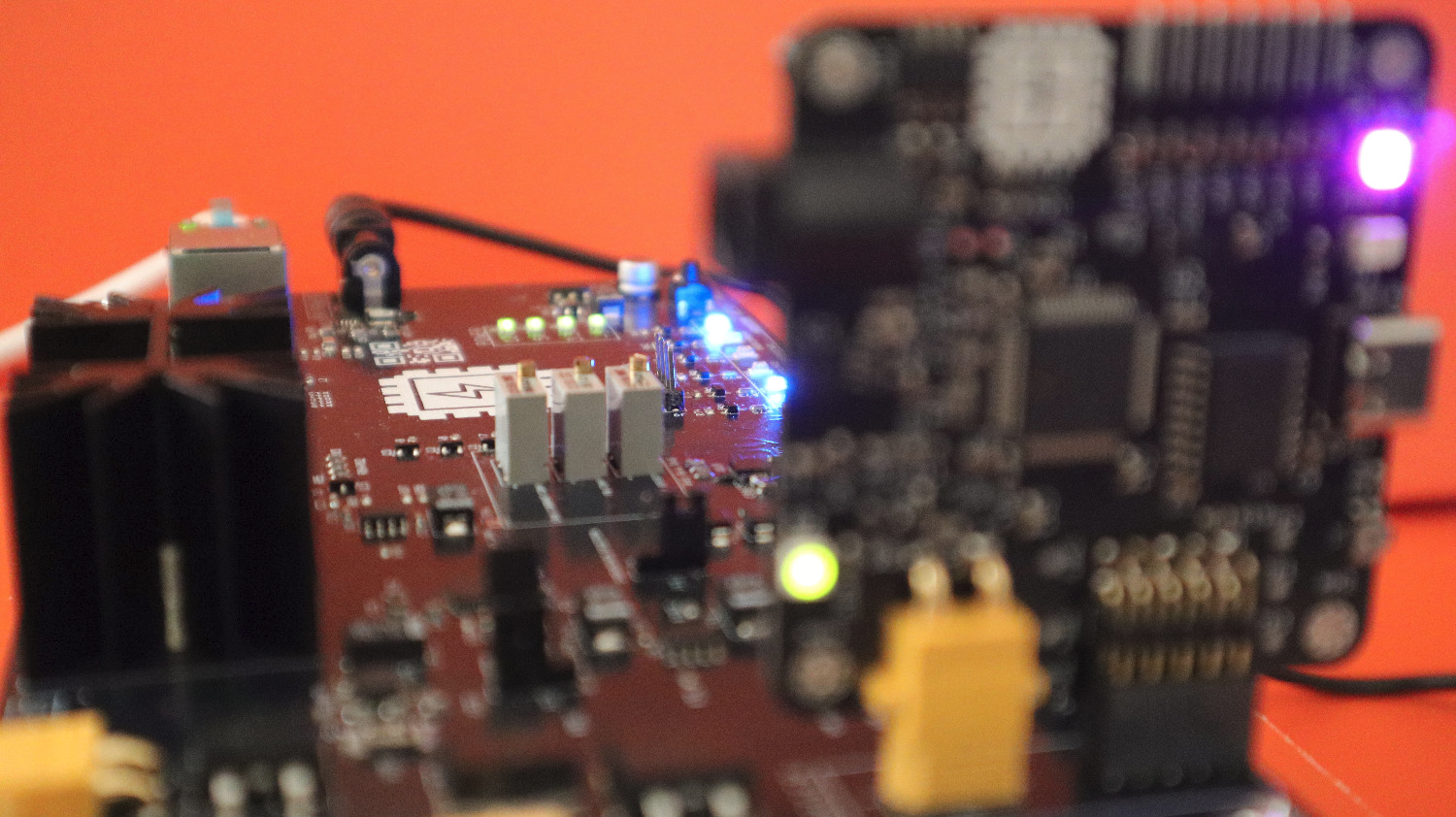
Two new OpenEPT products are now ready for use . As part of the second development phase of the OpenEPT ecosystem, we have completed the OpenEPT Charger and the redesigned OpenEPT...

We are proud to announce that OpenEPT has been selected for NGI support for the second time , confirming the relevance and impact of our platform in advancing energy-aware...
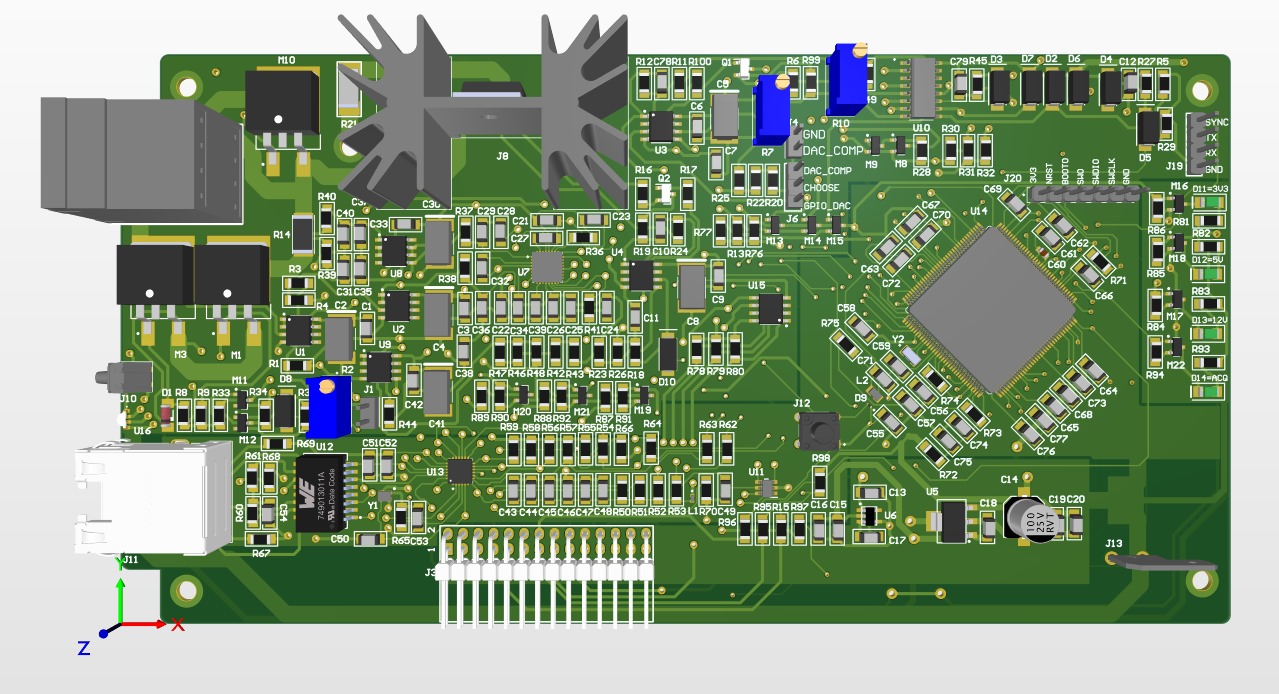
The full OpenEPT board has been sent for manufacturing. All related materials, including the BOM, schematic, and KiCad source files, are available at this link under the...
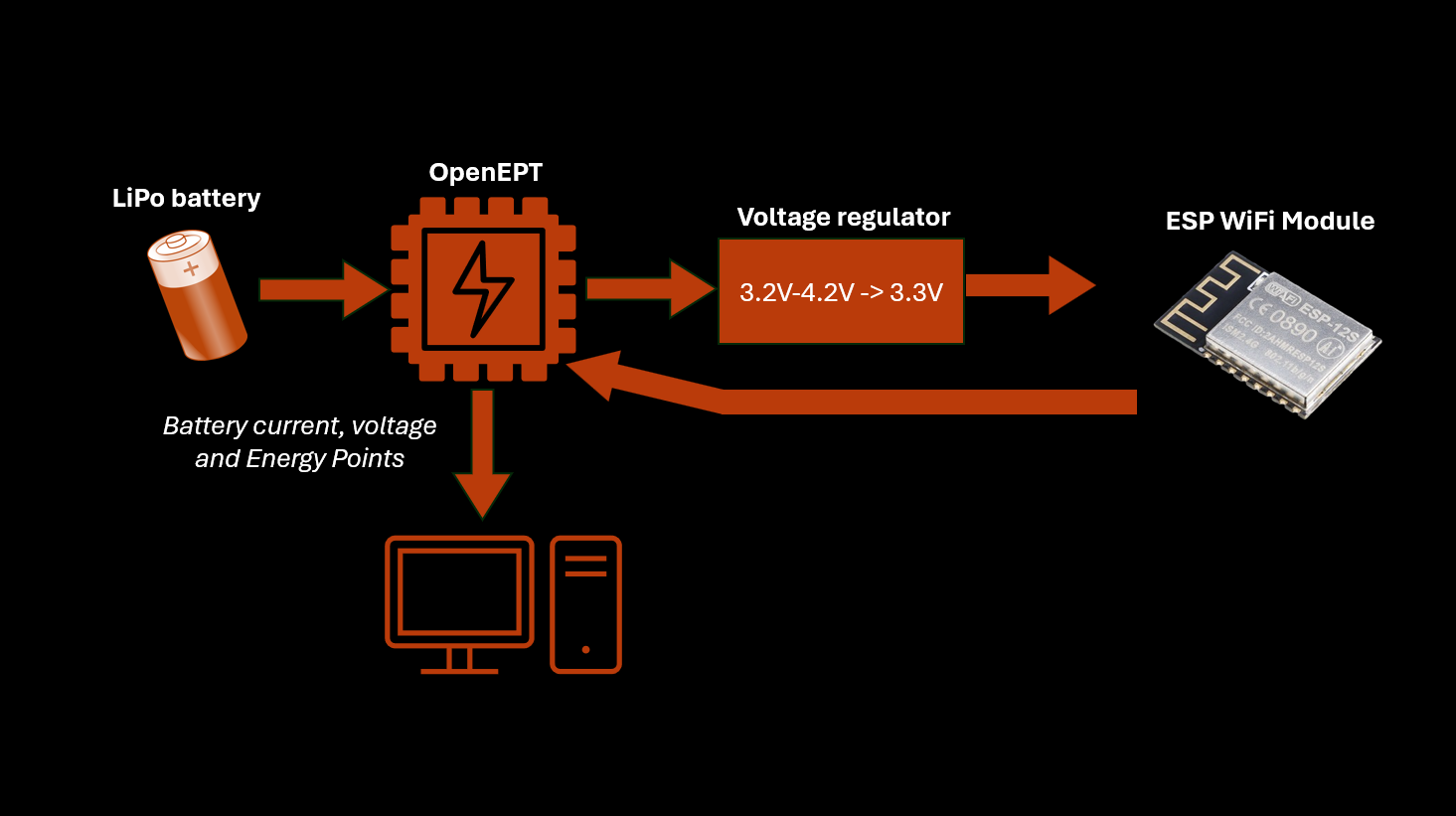
Optimizing energy consumption is essential for embedded systems, particularly for battery-powered devices. Traditional power profiling methods can be cumbersome and inefficient,...
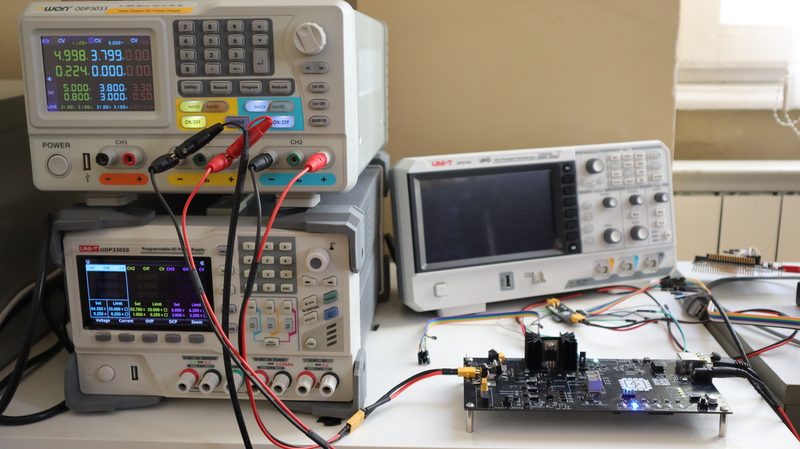
This guide walks through calibrating an OpenEPT Energy Profiler Probe EPP end to end, on a real board, using the automatic calibration wizard. It is a practical companion to the implementation writeup, Autocalibration Procedure is Implement
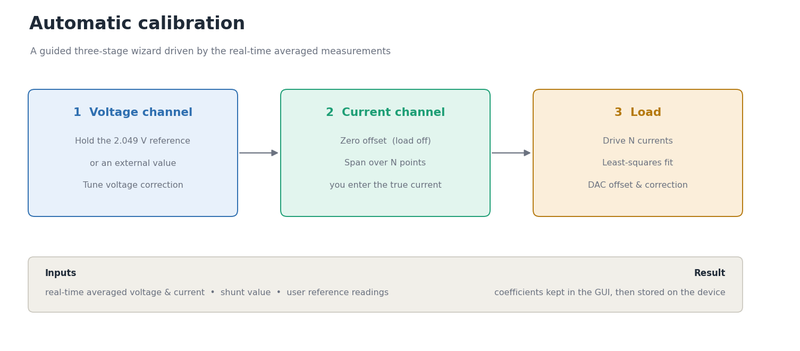
Every OpenEPT board leaves the bench slightly different: the ADC reference, the divider tolerances, the shunt and the currentsink offset all shift the numbers a little. Until now these differences were corrected by typing calibration coeffi
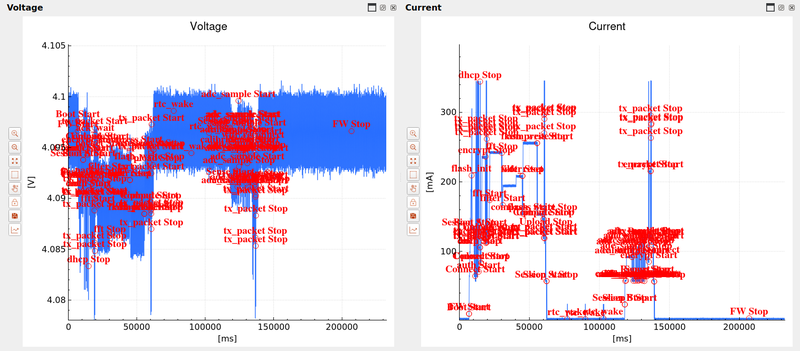
The Energy Profiler Probe EPP does not only measure current; it can also draw it. The Load tab of the OpenEPT GUI lets you sink a constant current from a battery or a supply, replay a standard waveform, or build your own current profile chu
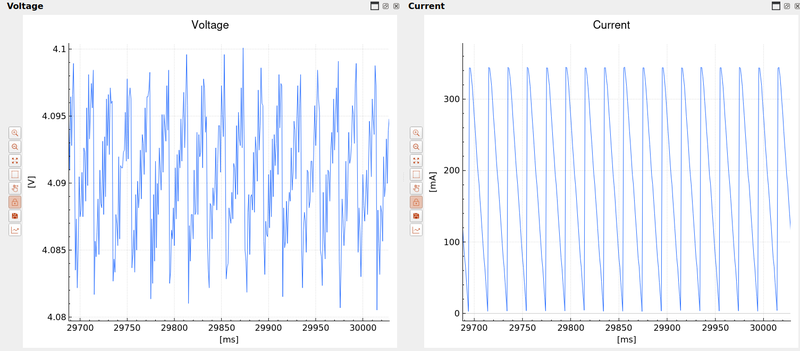
The Energy Profiler Probe EPP contains a programmable current sink. Until this milestone it could only be set to a constant value; during Milestone 4 of the second OpenEPT development phase we turned it into a waveform generator that replay